
• O nas

  • O nas

  • Lindleyowie

  • Lindleyowie

  • E-biblioteka

  • E-biblioteka

  • Nasze archiwum

  • Nasze archiwum

  • Kontakt

  • Kontakt

  • Nowości

  • Nowości

  • Linki

  • Linki

Aktualności

Ziemia obiecana z Lindleyami w tle

 „Ziemia obiecana. Miasto i nowoczesność”, to tytuł wystawy w Bibliotece Uniwersyteckiej w Warszawie. Część ekspozycji o dziejach higieny i o Lindleyach w Warszawie.

Ziemia obiecana z Lindleyami w tle

Muzeum Historii Polski zorganizowało w Bibliotece Uniwersyteckiej w Warszawie niezwykle interesującą wystawę zatytułowaną "Ziemia obiecana. Miasto i nowoczesność".


Jak pisze autor autor scenariusza i komisarz wystawy prof. Michał Kopczyński.:  „Największa rewolucja w dziejach naszej cywilizacji ostatnich stuleci to rewolucja przemysłowa. Wiąże się ona nie tylko z pojawieniem się przemysłu fabrycznego. Jej rewolucyjność polega też na zmianie trybu życia większości ludzi. Naturalnym środowiskiem stało się dla nich miasto, w miejsce dotychczas dominującego środowiska jakim była wieś. Właśnie ta przemiana jest jednym z najważniejszych elementów rewolucji przemysłowej. I to przejście pokazujemy na wystawie - ukazując, jak wraz z nim zmieniali się ludzie”. Zobaczyć można dawną Warszawę, Lwów, Kraków, Łódź i Poznań, czyli największe ośrodki miejskie wszystkich trzech zaborów.


Wystawa koncentruje się na kilku aspektach życia miejskiego:


 - na narodzinach higieny (bohaterami tej części wystawy są William i William Heerlein Lindley). Oprócz plansz tematyce tej poświęcone projekcje multimedialne. Towarzyszy im również wystawa przedmiotów użytkowych z epoki, m.in. XIX-wieczną ozdobną muszlę klozetową czy spluwaczkę


Wystawa koncentruje się też na narodzinach nowoczesnego konsumenta. „To pokazuje jak rewolucja przemysłowa pozwoliła znacznie większej części ludności cieszyć się zwykłymi, codziennymi rzeczami. Np. ubranie przestało być dla większości tylko okryciem ciała, a zaczęło stawać się jego ozdobą. Było to możliwe dzięki sztucznym barwnikom i zaawansowanej technice włókienniczej, takiej jak żakard, które przyniosła rewolucja przemysłowa. Obniżyły one ceny barwnych, zdobionych ubrań, które stały się dostępne także dla zwykłych ludzi” – podkreślił Kopczyński


- na  ówczesnej reklamie. „Na początku XX w. wzorem amerykańskim sztuka reklamowa wychodzi na ulice w postaci plakatu reklamowego. Opowiadamy też o formach handlu, bazarach, sprzedaży naręcznej. I pokazujemy, jak władze starają się ten początkowy chaos uporządkować, czego dowodem jest np. Hala Mirowska” – mówi autor ekspozycji.


- na prywatnych salonach i na narodzin nowej przestrzeni publicznej rozrywki: kawiarni, powszechnie dostępnych teatrów i teatrzyków na wolnym powietrzu, wystaw, zawodów sportowych, a więc form aktywności dziś dobrze znanych, a wtedy nowych.

- na symbolice kryjącej się w nazwach ulic czy pomnikach.

- na wydarzeniach rewolucji 1905 r., której rocznica przypada w tym roku.

Na wystawie można zobaczyć fotografie, wycinki prasowe czy plakaty reklamowe oraz codzienne przedmioty ilustrujące tworzenie się nowoczesnego miasta. „Często są to przedmioty zwyczajne jak zegarek, bez którego jednak nie mogła funkcjonować kolej, dostarczająca ówczesnym mieszkańcom miast towarów konsumpcyjnych. Innym razem rzeczy niezwykłe, jak jednostrzałowy pistolet dla rowerzystów, aby mieli się czym bronić przed atakującymi ich psami” –  dodaje Kopczyński.


Na wystawę składa się ikonografia oraz artefakty z epoki pochodzące ze zbiorów muzeów i z kolekcji prywatnych. Wśród eksponatów są m.in. bicykl, oryginalne suknie, w tym pierwsze modele szyte seryjnie, telefon Ericssona, aparat fotograficzny Kodaka i telegraf.


Uzupełnieniem ekspozycji są nieme filmy będące w repertuarze objazdowego kina jarmarcznego. A miłośnicy gier planszowych mogą zagrać w oryginalną grę z epoki „Wyścigi konne”.


Ekspozycja jest czynna codziennie w Bibliotece Uniwersyteckiej w Warszawie (ul. Dobra 56/66, sala wystawowa na parterze) w dniach 25 września – 6 grudnia 2015, w godzinach od 10 do 18 [z wyłączeniem 1 i 22 listopada].


Ceny biletów: 4 zł (ulgowy), 8 zł (normalny), bilet grupowy – 4 zł/osoba (min. 10 osób), 16 zł rodzinny (min. trzy osoby). W piątki i dla osób powyżej 60. roku życia wstęp wolny.

Wystawie towarzyszy audioprzewodnik, który można pobrać na swoje urządzenie mobilne (telefon lub tablet) przed lub w czasie wizyty na wystawie. O wystawie opowiada kurator, prof. Michał Kopczyński.

Wystawie towarzyszą wykłady połączone ze zwiedzaniem wystawy | godz. 17.00 | wstęp wolny


Informacje: http://muzhp.pl/pl/c/1574/wystawa-ziemia-obiecana-miasto-i-nowoczesno

Spokojnych świąt i cieszenia się zdrowiem w 2021 r.

 Członkom i sympatykom Societas Lindleiana spokoju na duszy i samego zdrowia w 2021 r. życzy Zarząd

Spokojnych świąt i cieszenia się zdrowiem w 2021 r.

 
  • Archiwum
Slideshow Image 1 Slideshow Image 2 Slideshow Image 2 Slideshow Image 2 Slideshow Image 2 Slideshow Image 2 Slideshow Image 2

Nowości

  • wszystkie
  • spotkania
  • książki
  • wystawy
  • Informacje prasowe
  • Ciekawostki
655147

22 March World Water Day!

World Water Day is held annually on 22 March to highlight the importance of freshwater and the sustainable management of freshwater resources. It dates back to the 1992 when the United Nations Conference on Environment and Development (UNCED) recommended it as an important reminder to the world. The United Nations General Assembly then designated 22 March 1993 as the first World Water Day. On the photo Bert Diphoorn, the Director of the Human Settlemen is Financing Division at UN-Habitat, the Agency responsible for coordinating this year's theme for World Water Day...
czytaj więcej

22 March World Water Day!

This year's global commemoration of World Water Day will be held in Cape Town, South Africa. The event is a joint collaboration of UN-Water, the African Ministers' Council on Water (AMCOW), the United Nations Secretary General's Advisory Board on Water and Sanitation (UNSGAB), the United Nations Environment Programme (UNEP) and the United Nations Human Settlements Programme (UN-HABITAT).


The three-day global event will bring together approximately 1,500 international and local participants, comprising over 20 thematic sessions, 40 exhibitors and high-level panel debates.


UN-HABITAT has worked closely with UN-Water Members and other partner organizations to develop key messages for this year's World Water Day. They have been categorized into 5 thematic areas: urbanization, sanitation and pollution, governance and management, investment and finance, environmental impact and climate change.

  • Urbanization - The major impending impact of rapid urban population growth and the growth of informal settlements is the most pressing and urgent challenge in the water sector.
  • Sanitation and Pollution - The impact of industrialization, water pollution, lack of sanitation and environmental degradation (on land, in fresh water and marine environments) needs greater recognition and attention.
  • Governance and Management - Improve governance, deepen the reform of local government, city and utility management.
  • Investment and Finance - Increase investment and sustainable financial management of urban water supply, sanitation/sewerage, wastewater treatment and storm water infrastructure.
  • Environmental Impact and Climate Change - Impacts on the environment from climate change, conflicts and natural disasters pose huge challenges for urban water and waste management.


Approach to World Water Day 2011 involves:

  • Engaging top leadership – Get key messages to world leaders to recognize the importance of urban water and waste management and use their influence to inspire positive action.
  • From a day to a year: The WWD 2011 will be a launch of activities and approaches that seek to reach out for the year ahead and beyond.
  • Getting women, children and youth involved – Reach out to all stakeholders, but especially get women, children and youth involved in activities to celebrate the activities.
  • Strong media exposure – Give special attention to engaging the media to give high exposure to in WWD 2011.
  • Connecting people - Connect as many WWD 2011 events across the world as possible using tele/videoconferences, live broadcasts, facebook, twitter, etc. to provide a sense of community and enable mass participation in the global celebrations.
  • Learning exchanges – Encourage learning and information exchanges between different constituencies, cities, towns and between countries. WWD will also seek to mobilize the major water agencies and partnerships to focus their attention on urban issues.
  • Reaching out beyond water – There are many stakeholders not directly involved in water management, who are affected or can contribute to improving water and sanitation management. WWD 2011 seeks to reach out to business, the health, education, energy, infrastructure and environmental sectors to play a part in addressing the complex urban challenge


For more information on this year's World Water Day visit the official website: www.unwater.org/worldwaterday


http://www.unwater.org/activities_bert2.html


Jan Rossman 'Wacek'. In the Warsaw Sewers.

The designer of Warsaw’s sewer system, an excellent English engineer by the name of William Lindley, did not expect that Warsaw’s municipal sewer system designed by him towards the end of the 19th century would be used as transportation for the military and the civilian population, as well as a place of combat. It was due to the existence of the municipal sewer system that the remnants of the Old Town’s defenders and its civil population disappeared mysteriously at the end of August 1944 during the Warsaw Uprising...

czytaj więcej

Jan Rossman 'Wacek'. In the Warsaw Sewers.

Jan Rossman 'Wacek', a member of the top leadership of the Szare Szeregi [Gray Ranks, Polish Scouting] during the war, was an officer in the command of the Polish Home Army 'Zoska' battalion. 


At the end of August, 1944 [during the Warsaw Uprising] he made a passage in the sewer system from the Old Town to the Zoliborz district with an assignment of evacuating the wounded from the Old Town and obtaining supplies of ammunition from Zoliborz. During the construction of the sewer dam between the Old Town and the Zoliborz district, the author was in Zoliborz.


He commanded the demolition unit which blew up the dam. Until the end of the Uprising, he was in the Zoliborz unit responsible for sewer communication.


Jan Rossman 'Wacek'. In the Warsaw Sewers,Zeszyty Historyczne, No. 109, Instytut Literacki, Paris, 1994.

http://www.warsawuprising.com/paper/warsaw_sewers.htm


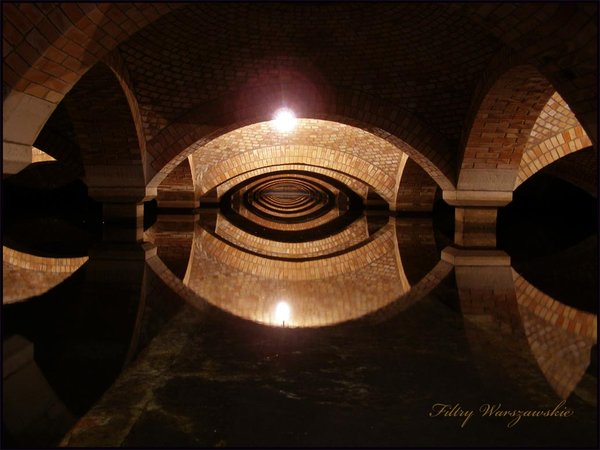
Lindleys' Filters tourist attraction in Warsaw

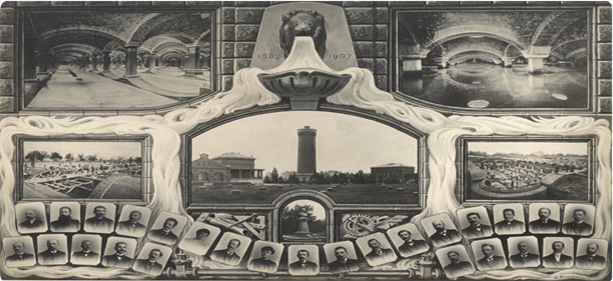
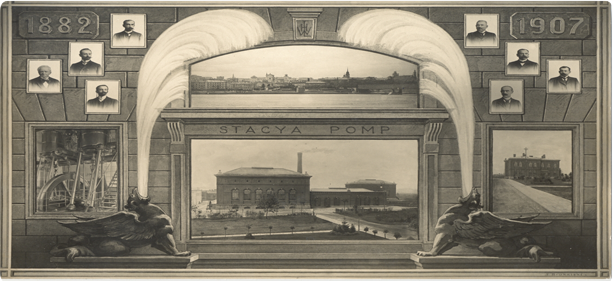
Of the three water suppliers in Warsaw, the Central Department of Water (Zakład Wodociągu Centralnego, or ZWC) is the oldest and largest. Built between 1883 and 1886, it has supplied water to the inhabitants of Warsaw since that time and continues to meet 50% of the capital’s water needs. Its technology today remains largely faithful to the original, and was first designed by William Lindley and his son William Lindley Heerleina...
czytaj więcej

Lindleys' Filters tourist attraction in Warsaw

Of the three water suppliers in Warsaw, the Central Department of Water (Zakład Wodociągu Centralnego, or ZWC) is the oldest and largest. Built between 1883 and 1886, it has supplied water to the inhabitants of Warsaw since that time and continues to meet 50% of the capital’s water needs. Its technology today remains largely faithful to the original, and was first designed by William Lindley and his son William Lindley Heerleina; this design was enriched and improved in 1933 by the Department of Rapid Water Filters. The second wave of technology was launched in 1972, in which specially fired, moisture-resistant bricks were used. 


The outbreak of WWII brutally interrupted the successful distribution of water in the city, with the bombing of September 1939 and the Warsaw Uprising in 1944 causing massive damage, as the main buildings and their networks suffered a direct attack. On September 22, 1944 Warsaw's water supply was completely cut off, and was not restored again until May 29, 1945. The damage was worsened by the fact that much of the water filtering machinery was stolen by the retreating Germans, and so both reconstruction and replacement of equipment took several years.
Currently, the ZWC uses an ultra-modern, fully equipped laboratory to test the water at all stages of its treatment and supply. In addition to water quality control continuously being performed by the laboratory, selected parameters are constantly monitored by an on-line measuring device. 


Hidden beauty of the clean water tanks


The filtering station has open days in July and August, and invites visitors to see the historic technology that has functioned for over 120 years. Visits must be pre-arranged, and are by invitation only; the booking office begins accepting requests in the last week of June, at which time ZWC security issues as many invitations as possible, based on one's preferred date, time and number of guests.


http://www.warsawtour.pl/en/tourist-attractions/lindley-water-filters-filtry-1962.html


This filtering station is the oldest and largest from water suppliers in Warsaw which supplied water to the inhabitants of Warsaw since a half of 19th century. In July and August, visitors are invited to see that historic technology.

ul. Koszykowa 81 (map)
tel. +48 22 445 56 00
www.mpwik.com.pl


Przejdź do strony:
  • << Pierwsza
  • < Poprzednia
  • 2
  • 3
  • 4
  • 5
  • 6
  • 7
  • 8
  • 9
  • 10
  • 11
  • Następna>
  • Ostatnia >>
Societas Lindleiana, wszelkie prawa zastrzeżone
  • O nas
  • Lindleyowie
  • E-biblioteka
  • Nasze archiwum
  • Kontakt
  • Linki
Projektowanie stron internetowych: www.bedweb.pl